Kitchen
Configurations
The layout depends on the available space
Choose a configuration to explore its features, advantages and limitations.
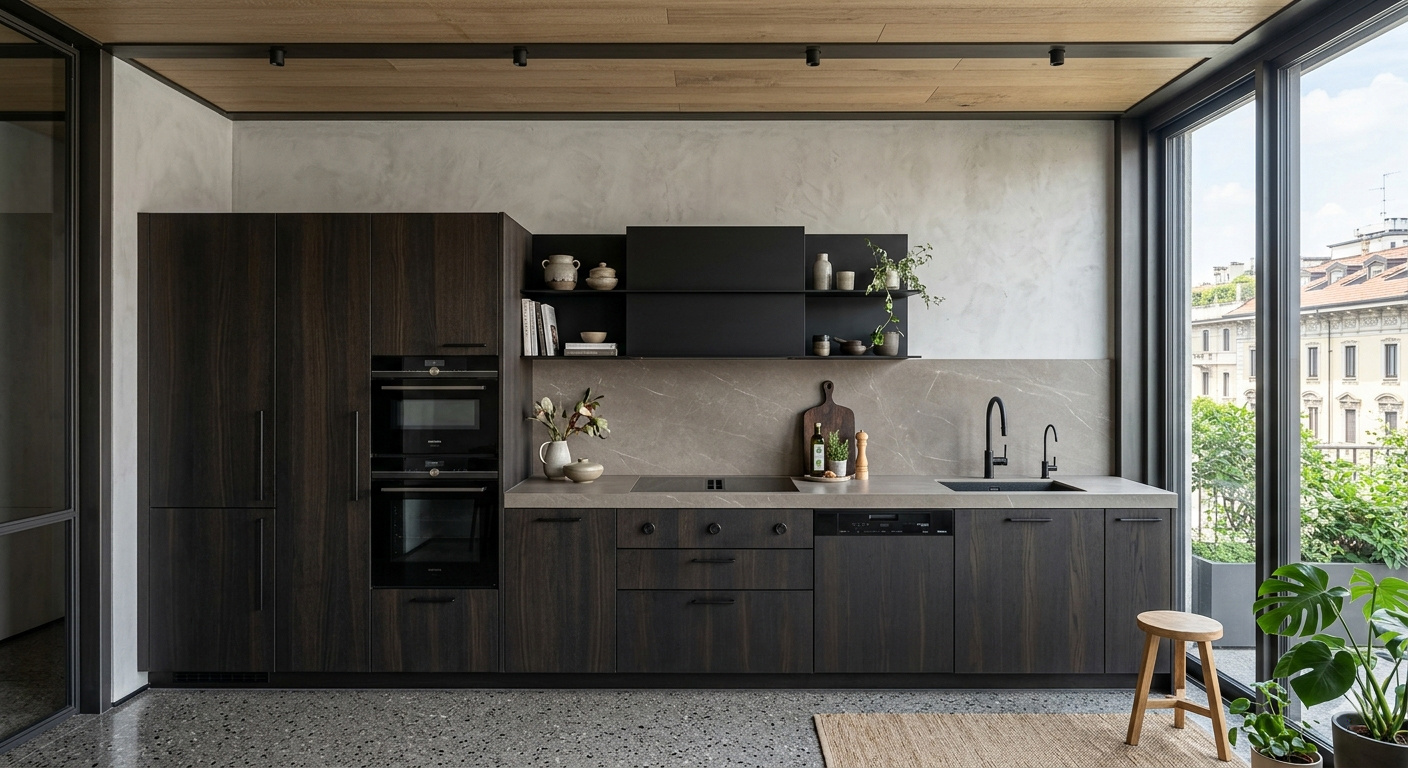
Compact and simple solution
All elements arranged on a single wall. Suitable for small spaces, studios and open-plan kitchens. The workflow is linear but limited.
ADVANTAGES
LIMITATIONS
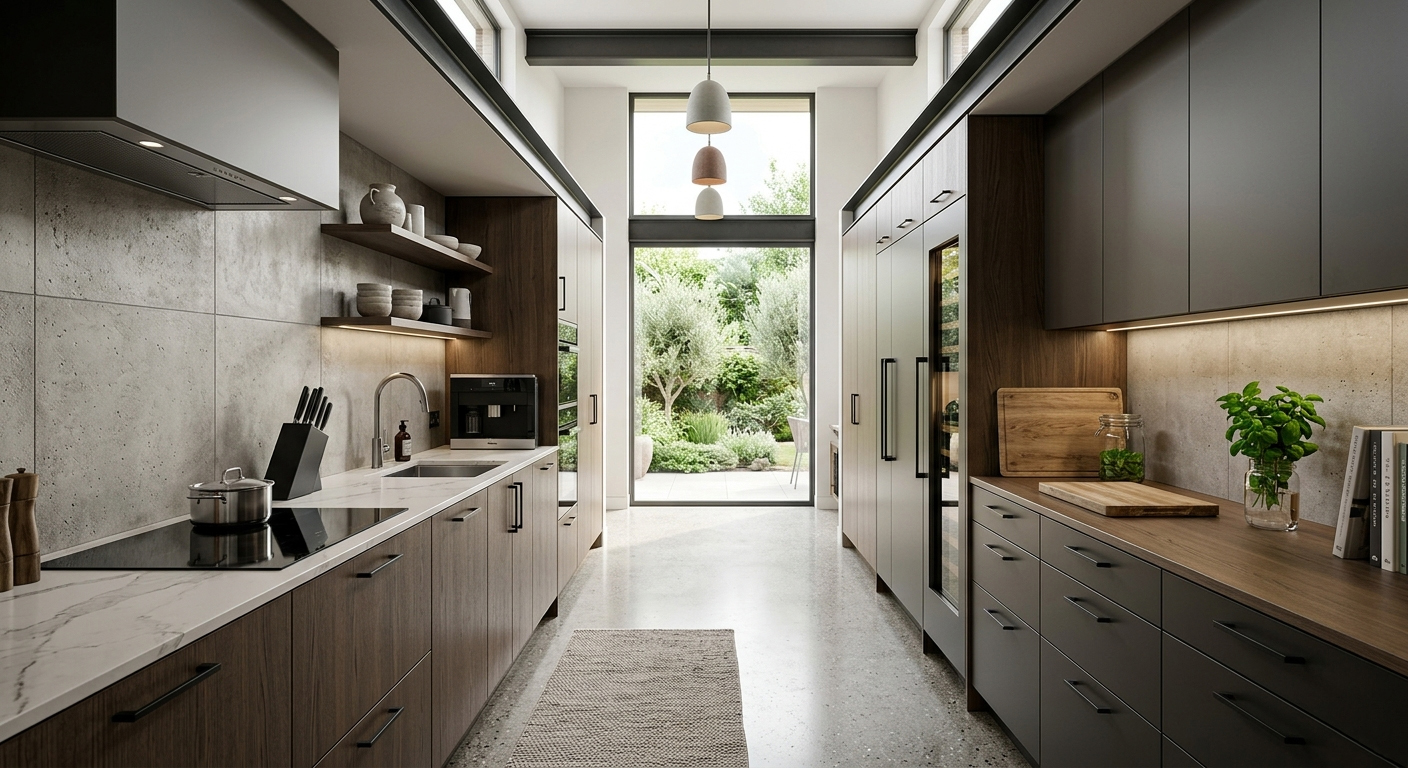
Two parallel walls
Units on two parallel walls. Suitable for long narrow spaces, highly functional with a large total worktop. The central passage must be ≥ 120 cm.
ADVANTAGES
LIMITATIONS
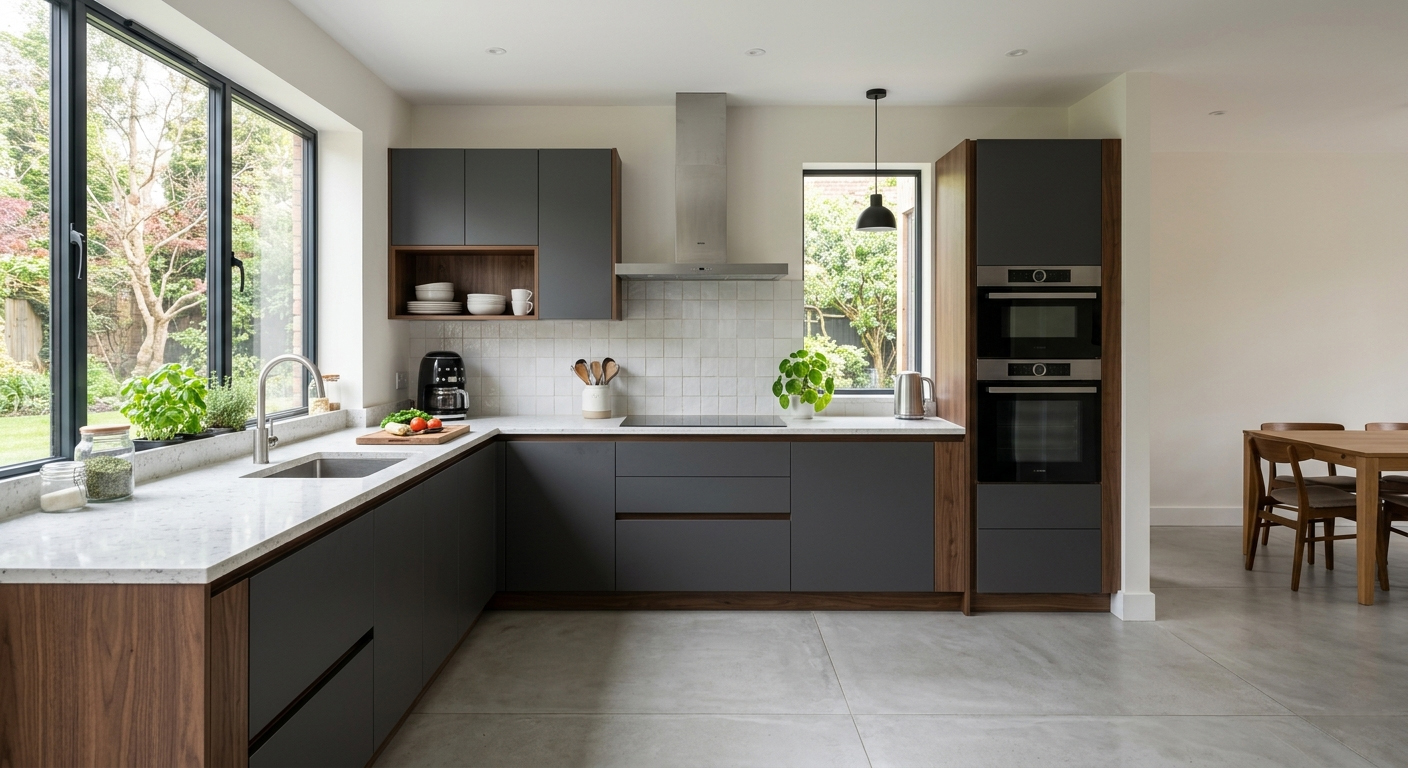
Balance between space and ergonomics
One of the most common configurations: units on two perpendicular walls. Excellent balance between available space and ergonomics. The work triangle forms naturally.
ADVANTAGES
LIMITATIONS
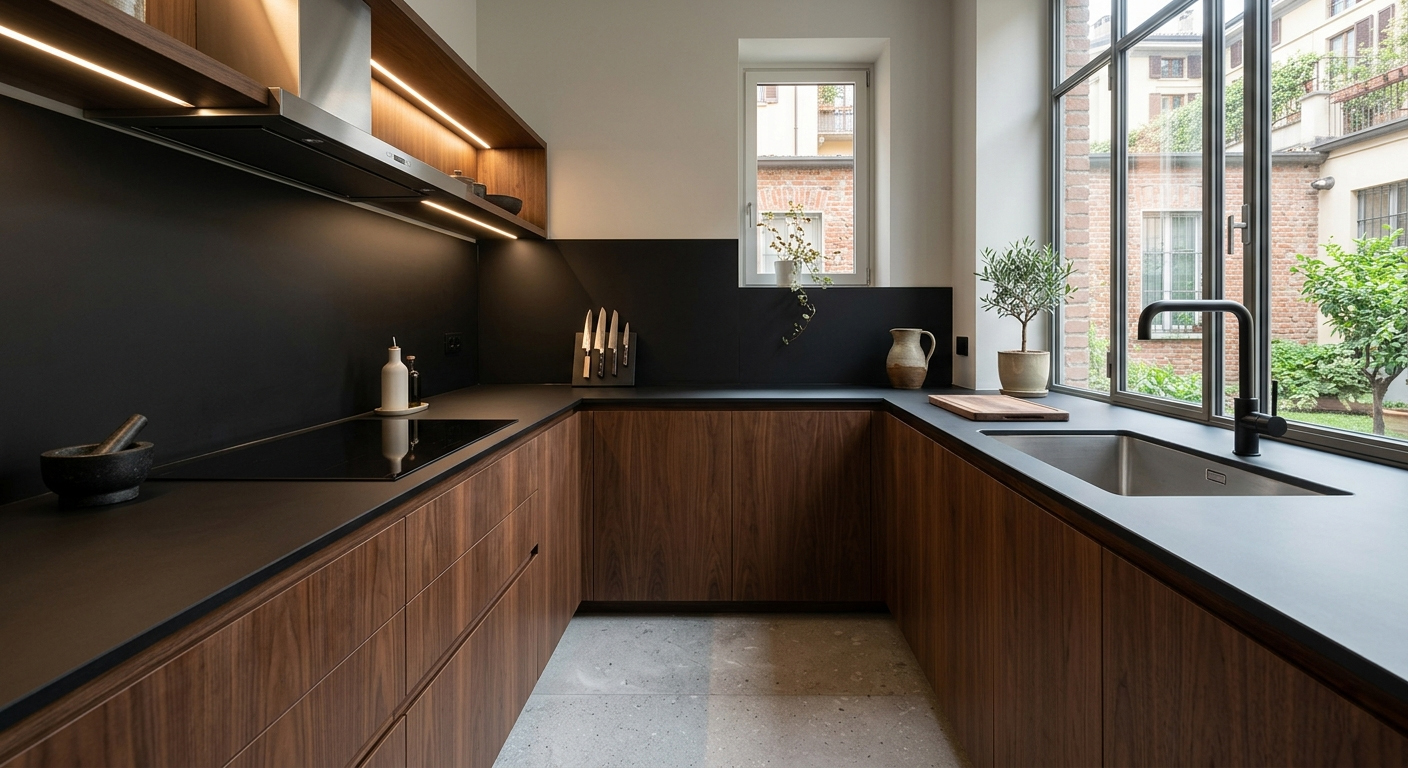
Maximum operational efficiency
Units on three walls: maximum operational efficiency and excellent ergonomics. The work triangle integrates perfectly. Requires adequate space between the walls.
ADVANTAGES
LIMITATIONS
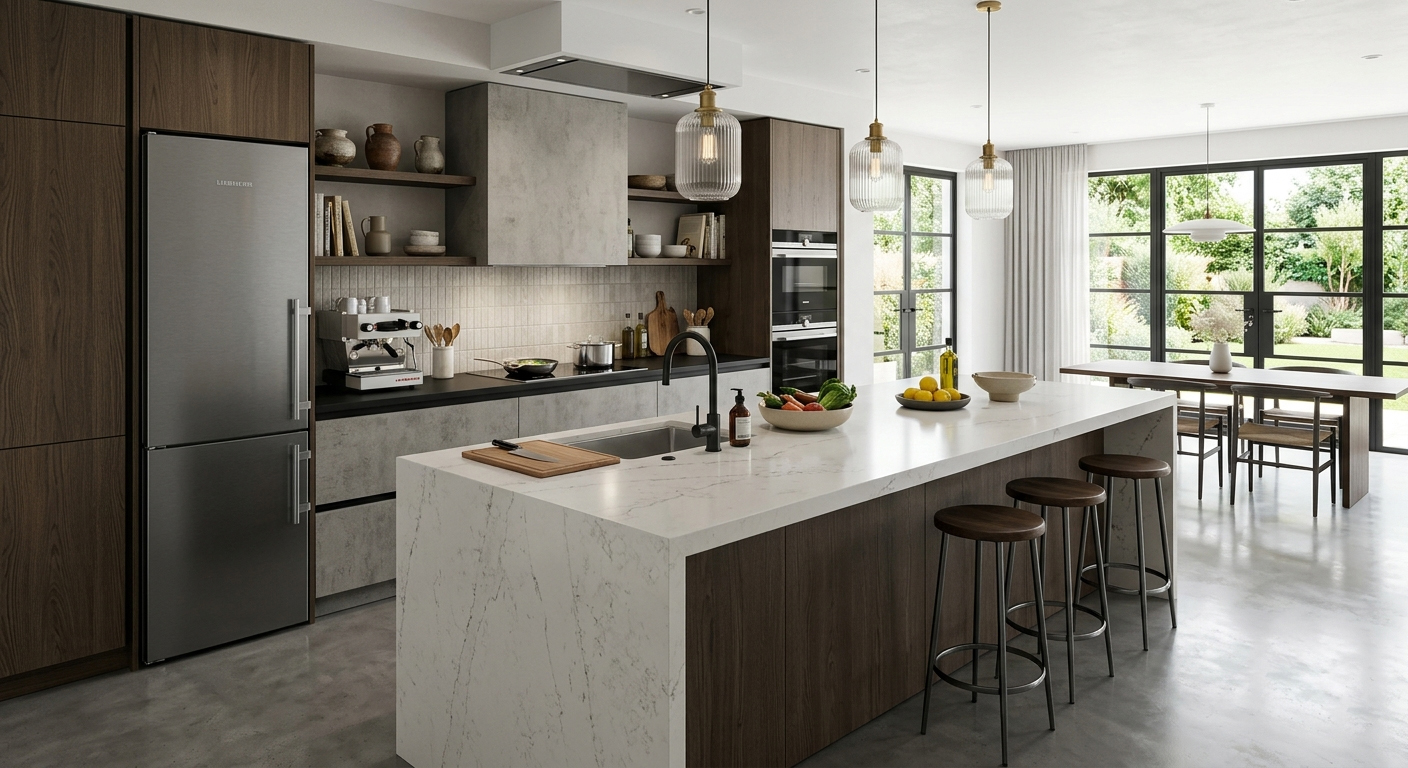
Functionality and conviviality
A freestanding central block adds worktop and social area. Typical of modern open-plan spaces. The recommended distance all around is 100–120 cm.
ADVANTAGES
LIMITATIONS
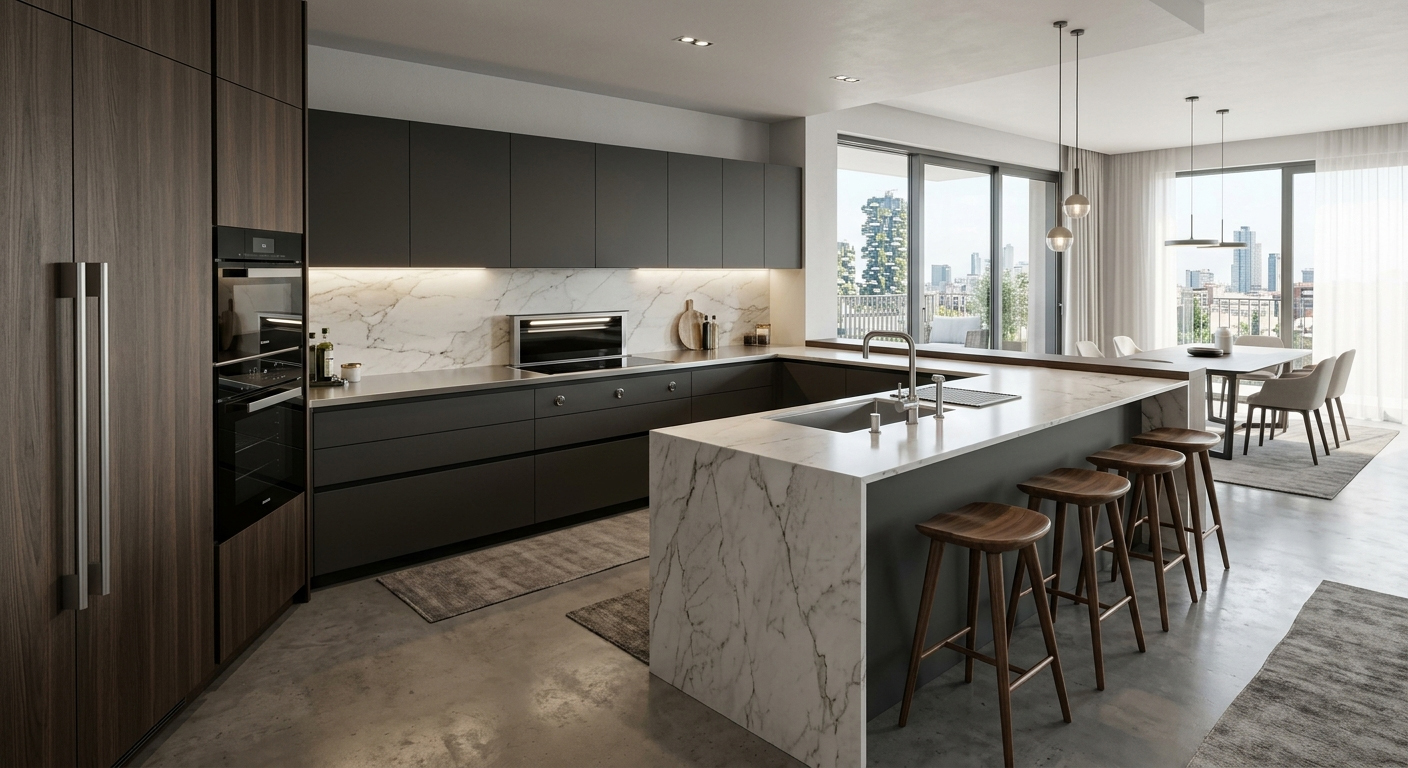
Separate and organise spaces
The peninsula is connected to existing units: separates kitchen and living room, adds a snack counter and does not require additional systems. A compact alternative to the island.
ADVANTAGES
LIMITATIONS
Prof. Vincenzo Pazzi